
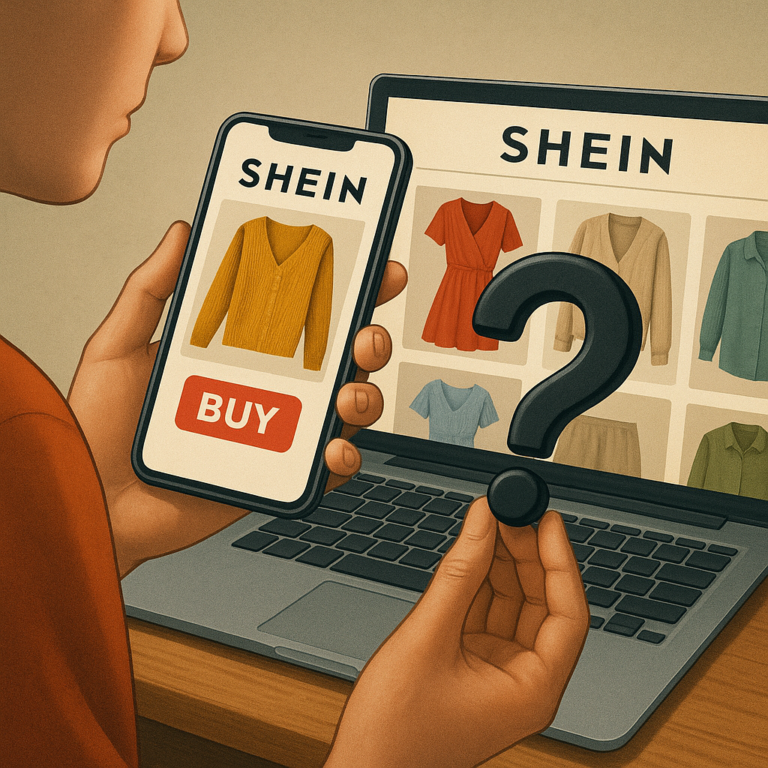
Shopping SHEIN can feel like a win the moment you see a bold markdown. The prices are low, the styles are fast-moving, and the temptation to add “just one more” item is always there. But smart shopping is not about grabbing the cheapest thing on the page. It is about deciding whether the deal is actually worth your money, your time, and the room it will take up in your closet.
If you want to buy with more confidence, the best move is to slow down and evaluate the item like an editor, not a browser on autopilot. That means looking past the sale badge and asking practical questions: Will I wear this often? Does it fill a real wardrobe gap? Does the product page give enough clues about fabric, fit, and quality? When you use that lens, SHEIN starts to feel less like a gamble and more like a place to find useful fashion value.
Start with the wardrobe problem, not the discount
The easiest way to overspend is to let the discount lead the decision. A better approach is to begin with a specific wardrobe need. Are you looking for a casual top that works with jeans, a dress for one event, or a layering piece you can wear several ways? When you know the problem first, it becomes much easier to ignore items that are simply cheap but not useful.
This also helps you avoid duplicate purchases. A trendy blouse might look exciting, but if it does the same job as three things you already own, the value is weak. Real value comes from solving a gap in your closet, not from collecting more of what you already have.
Check whether the item has repeat wear potential
One of the best questions you can ask is how many outfits the piece can create. A strong deal usually has styling flexibility. It can work with multiple bottoms, layer under a jacket, or shift from casual to slightly dressed up with small changes. That kind of versatility gives you more wear for the same cost.
If an item only makes sense for one very specific moment, the price needs to be especially good to justify it. A statement piece can still be worth buying, but only if you are realistic about how often you will actually use it. The more scenarios it fits, the stronger the purchase becomes.
Read fit and fabric clues before you commit
Low prices can hide expensive mistakes if the fit is off or the fabric feels too flimsy for real use. Product photos matter, but they are not enough on their own. Look for measurement charts, model details, fabric composition, and customer photos when available. These clues tell you a lot more about whether the item will work on your body than the hero image does.
Fabric is especially important because it affects comfort, drape, and durability. A piece that looks polished in the photo may feel too thin, too stiff, or too synthetic in person. When the details are vague, treat that as a warning sign rather than filling in the blanks with hope.
Use reviews to spot patterns, not just praise
Reviews are most useful when you read them for repeated themes. If several shoppers mention the same issue, such as sizing running small or the material feeling sheer, that pattern deserves attention. A few glowing comments can be encouraging, but consistent feedback is what actually helps you predict whether the item will deliver.
It also helps to look for reviews from people whose body type, height, or styling needs feel similar to yours. Their feedback is often more useful than generic praise. The goal is not to find perfect certainty. It is to reduce the chances of buying something that only looks like a deal on the surface.
Decide whether the price matches the real-life value
A truly good deal is not always the lowest price. Sometimes a slightly more expensive item is better value because it lasts longer, fits more reliably, or has more outfit potential. Think in terms of cost per wear rather than sticker price alone. If a piece gets worn often, it can justify a higher total cost than something cheaper that sits in the closet.
This is where restraint pays off. If the item feels interesting but not essential, give yourself a pause before checking out. A short delay can reveal whether you genuinely want it or whether the discount is doing all the convincing. That simple habit can protect your budget better than any promo code.
Know when to walk away from a tempting offer
Not every low-priced item deserves a place in your cart. If the size guide feels unclear, the materials are vague, the reviews are inconsistent, or the piece only works for one highly specific outfit, it may be smarter to skip it. Walking away is not missing out. It is protecting your budget for a better purchase later.
The best SHEIN shoppers are selective, not hesitant forever. They buy when the item solves a real need, offers useful versatility, and gives enough confidence to feel worthwhile after delivery. If a deal cannot meet those standards, it is probably not a deal you need.
In the end, the smartest way to shop SHEIN is to treat every discount as a question, not a command. Once you start judging value by wardrobe fit, wear potential, and practical quality clues, you will make fewer impulse buys and better purchases. That is how you turn fast fashion browsing into a more intentional shopping habit.