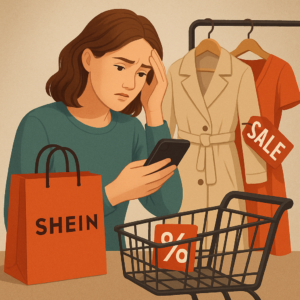

Shopping SHEIN can be a smart move when you know how to separate a real value from a tempting discount. The problem is that the lowest price rarely tells the full story. A piece can look irresistible on the product page and still end up being too trendy, too thin, or too impractical to earn a place in your closet. That is why the best shoppers think beyond the tag. They evaluate how an item fits their actual lifestyle, how often they will wear it, and whether the purchase solves a real wardrobe need.
If your goal is to shop more intentionally, this guide gives you a practical way to judge whether a SHEIN deal is actually worth it. Instead of chasing the biggest markdown, you will learn how to weigh fit, fabric, timing, and outfit value like a confident editorial shopper. The result is simple: fewer regret purchases, better use of your budget, and a closet that works harder for you.
Start with the wardrobe problem, not the discount
The smartest deal decisions begin before you even look at the sale badge. Ask what gap the item fills in your wardrobe. Do you need a work-appropriate blouse, a travel-friendly layer, or a weekend outfit that you can style three ways? If the answer is unclear, the discount is probably doing too much of the persuading. A good deal should solve a specific problem, not just create excitement.
That mindset changes everything. When you shop by purpose first, you stop treating every bargain as a win. A $7 top is not automatically smart if it hangs in your closet because you already own three similar versions. Real value comes from usefulness, versatility, and how easily the item fits into outfits you already wear.
Read the listing like a stylist would
Product images can be helpful, but they are also curated to sell a mood. To judge the deal properly, read the listing details carefully. Look at fabric composition, cut, length, stretch notes, and whether the design has features that affect wearability, such as adjustable straps or lined construction. These small details often determine whether an item feels polished or disposable once it arrives.
It also helps to notice styling clues. If the piece only works in one very specific look, it may have less value than something more adaptable. A versatile dress or jacket can anchor several outfits, while a novelty item may only have one good moment. The more styling paths you can imagine, the more useful the deal becomes.
Use reviews to predict real-world value
Reviews are not just for reassurance. They are one of the best tools for estimating whether the item will be worth the money. Focus on patterns, not isolated opinions. If multiple shoppers mention the same issue, such as thin fabric, inconsistent sizing, or awkward proportions, that pattern matters more than a few enthusiastic ratings. Likewise, repeated praise for fit or durability is a strong positive signal.
Photos from customers can be especially useful because they reveal how the item looks on different bodies and in ordinary lighting. This is where smart shoppers gain an edge. They are not trying to find perfection; they are trying to reduce surprises. The more evidence you collect from real buyers, the easier it becomes to decide whether the deal holds up in practice.
Compare the cost per wear, not just the sale price
Cost per wear is one of the easiest ways to make fashion purchases feel more rational. If an item costs a little more but you will wear it frequently, it may be better value than a cheaper piece that stays hidden in your closet. A basic knit, a neutral blazer, or a layering tank can outperform a flashy impulse buy because it earns repeated use.
Try asking yourself how many times the item could realistically be worn in the next season. If you can picture five or more outfits, the deal may be strong. If you can only imagine one event or one social post, the value is weaker. This simple filter protects you from confusing novelty with usefulness.
Watch the timing of sales and stock changes
Not every markdown is equally meaningful. Some deals are best when stock is high, while others improve after seasonal shifts or promotional events. If you notice that a piece has been sitting around for a while, it may be marked down again later. On the other hand, popular basics and best-selling silhouettes can disappear fast, which makes waiting risky.
Timing also matters because your own buying habits matter. If you shop when you are tired, bored, or scrolling for entertainment, you are more likely to overbuy. The best approach is to compare prices with a clear list in mind. That way, the sale works for you instead of steering you into unnecessary extras.
Know when a cheap item is still the wrong buy
Even a strong discount can be a bad decision if the item is hard to style, difficult to care for, or unlikely to last long enough to justify the purchase. Cheap does not automatically mean valuable. If you would be uncomfortable wearing it to work, if the fabric seems too delicate for your routine, or if the shape only suits a narrow trend cycle, the deal may not be worth it.
The best shoppers are willing to walk away from bargains that do not fit their lives. That restraint is what makes the next good purchase feel intentional instead of random. In the end, a worthwhile SHEIN deal is one that looks good on the page, works in real life, and earns its place in your wardrobe more than once.