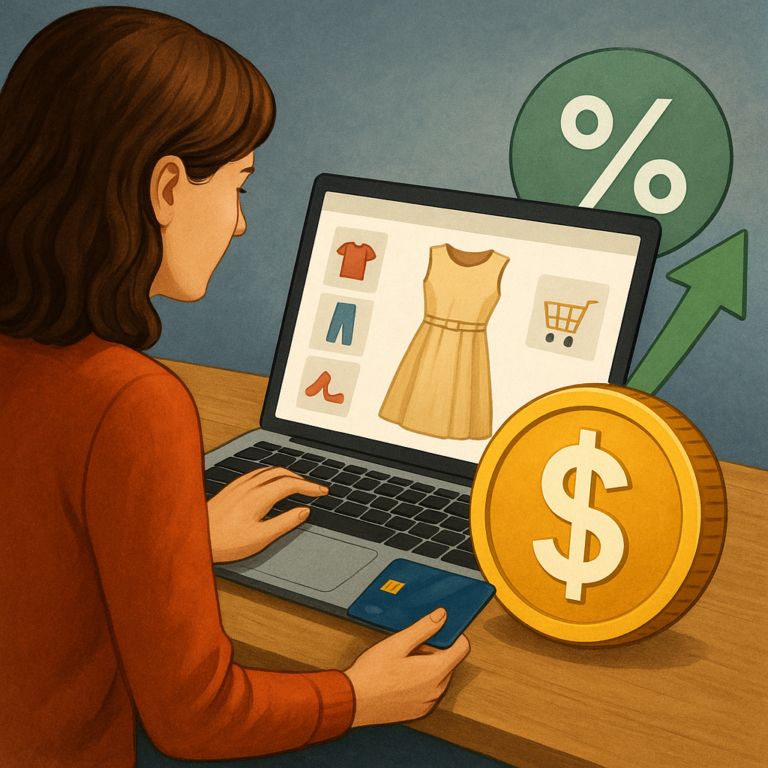
Cashback and rewards sound simple: spend money, get something back. In reality, the value depends on how you shop, what you buy, and whether the perk changes your decisions in a good way. For fashion shoppers, that distinction matters even more because fast-moving deals can make a small reward feel bigger than it is. A 10% return is useful only if you were already planning the purchase and the item fits your wardrobe and budget.
The smartest approach is not to chase every offer. It is to understand which rewards help you save consistently and which ones simply encourage extra spending. If you shop online often, especially for clothing and accessories, the right habits can turn rewards into a real budgeting tool instead of a marketing distraction. Here is how to tell the difference.
What cashback and rewards actually do for fashion shoppers
Cashback and rewards programs are designed to make purchases feel more rewarding, but their real value is financial discipline. A rebate, points system, or store credit only matters if it reduces your net cost without pushing you into buying things you did not need. That is why the best shoppers treat rewards as a bonus, not a reason to shop.
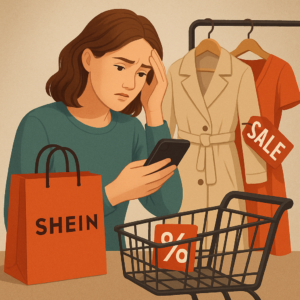
In fashion, this matters because style purchases are often emotional. A low price, a limited-time points multiplier, or a free-shipping threshold can all trigger a bigger order than planned. When you know that, you can use rewards as a final adjustment rather than the main reason to checkout. That shift keeps the focus on value, not hype.
When a reward is strong enough to matter
Not every reward deserves your attention. A meaningful offer usually has three things: a clear percentage or dollar value, a low barrier to use, and a purchase you were already likely to make. If you need to spend far more just to unlock the perk, the reward may be less valuable than it looks.
For example, free shipping at a reasonable threshold can be useful if it saves you a fee on an item you already planned to buy. The same goes for usable cashback through a trusted platform. But if the offer requires adding more items just to qualify, the math often works against you. A smart shopper checks the total cart cost first, then evaluates the perk.
Why points can be useful only with a plan
Points systems can help if they are easy to track and easy to redeem. They become less useful when they are complicated, expire quickly, or push you toward purchases that do not fit your needs. The best-case scenario is simple: you earn a predictable return and use it on something that still fits your closet strategy.
One practical method is to think of points as delayed savings rather than instant value. That keeps you from inflating the importance of a reward you have not actually used yet. If a points balance only works for future purchases, make sure those future purchases are likely and necessary. Otherwise, the program may create shopping pressure instead of savings.
How to avoid overspending for the sake of perks
The biggest trap with cashback and rewards is the feeling that you are “saving” by spending more. A larger basket is not a better decision if it includes filler items. This happens often when shoppers are close to a free-shipping threshold or when a reward multiplier has an expiration date.
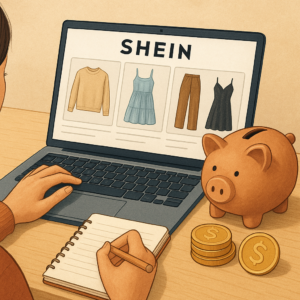
A better habit is to compare the extra cost against the value of the perk. If you need to spend twenty more dollars to earn five dollars in rewards, that is not a win unless the added item is genuinely useful. This is where a shopping list helps. It gives you a boundary that a promo can’t easily blur. If the item is not on the list, it probably should not be added just to unlock a reward.
How to build a rewards routine that actually saves money
The most effective strategy is consistency. Choose one or two reward methods you understand well, then use them only on planned purchases. That might mean applying cashback through a browser extension, using a store rewards account for repeat buys, or timing purchases around seasonal events when the savings are clearer.
Track your results over time. If you keep finding that rewards only save you a little while causing you to buy more, the system is not helping enough. But if you use rewards on purchases you already budgeted for, the benefit can add up quietly. That is what makes rewards useful: not excitement, but repeatable savings that support your actual shopping habits.
Conclusion: rewards are best when they support your budget, not your impulse
Cashback and rewards can absolutely be worth it for online fashion shoppers, but only when they work as support, not as the reason to spend. The best value comes from planned purchases, clear thresholds, and a realistic view of what the perk is actually worth. If a reward helps you buy something you needed anyway, it is useful. If it makes you stretch your budget, it is probably costing more than it gives back.
In the end, the goal is simple: let rewards improve a good decision, not disguise a bad one.