
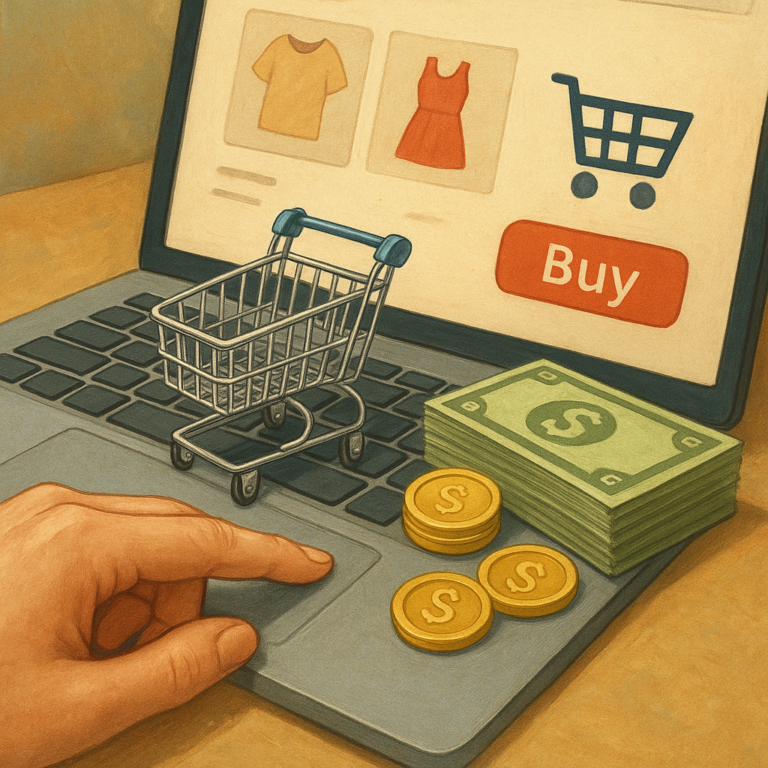
Online shopping can feel like a win even before you place an order. The prices look lower, the choices are endless, and every cart seems one click away from being “worth it.” But if you want to actually save money, the goal is not to chase every discount. It is to shop with a system. The best shoppers know that a low price is only helpful when the item solves a real need, fits the budget, and earns its place after delivery. That mindset changes shopping from a gamble into a habit you can control.
Saving money online is less about luck and more about discipline. A good checkout decision usually starts long before the payment page. It starts when you decide what you need, how much you can spend, and which signals are worth paying attention to. Once you understand that process, it becomes much easier to ignore fake urgency, avoid regret purchases, and keep more of your money where it belongs.
Start with a purchase plan, not a shopping mood
The easiest way to overspend online is to browse with no clear purpose. A sale badge can make almost anything look necessary if you are in the right mood. That is why a simple purchase plan matters. Before you shop, write down what you actually need, what you want to replace, and what can wait. If the item does not solve a real problem in your life, it should not move to the front of the line.
This approach helps you separate useful spending from emotional spending. You can still enjoy the browsing process, but your cart will be guided by priorities instead of impulse. When you do this consistently, you stop treating discounts as opportunities and start treating them as filters. That one shift can save more money than any promo code ever will.
Compare the full value, not just the sticker price
A cheap item is not always a good buy. The real question is how much value you get for the money. That means looking at fabric, sizing consistency, return rules, shipping time, and how often you will realistically use the item. A slightly more expensive piece that lasts longer or works with more outfits can easily beat the cheapest option in the long run.
It also helps to compare similar products side by side. Instead of asking which one is lowest priced, ask which one gives you the best balance of quality, function, and versatility. When you shop this way, you stop falling for the illusion of savings. A deal is only a deal if it still feels smart after the package arrives.
Use timing to your advantage
Timing can make a major difference in how much you spend online. Many retailers cycle through seasonal promotions, holiday events, and category-specific sales. If your purchase is not urgent, waiting for the right window can lower the cost without changing the item you want. That patience pays off most when you already know what you plan to buy.
Another useful habit is to watch prices before you commit. Some shoppers keep items in a wishlist for a few days or a week and see whether the price changes. That brief pause creates distance between desire and purchase, which often leads to better decisions. You do not have to wait forever. You just need enough time to let the initial excitement settle.
Build habits that reduce impulse spending
Impulse spending is one of the biggest reasons online shopping becomes expensive. The problem is not just buying something unplanned. It is buying something unplanned repeatedly. Small purchases add up fast, especially when each one feels harmless in the moment. To reduce that pattern, make it harder to check out too quickly. Leave items in your cart overnight, avoid shopping when you are bored, and set a clear monthly limit for nonessential buys.
It also helps to shop with a specific purpose instead of a vague hope that you will “find something good.” The more specific your task, the less likely you are to wander into unnecessary spending. This kind of structure does not kill the fun of online shopping. It makes the fun affordable.
Know which savings tools are worth your attention
Coupons, rewards, cashback, and promo events can all help, but only when they fit your actual purchase. Chasing every tool for every order can turn into wasted time and distracted buying. The smarter move is to learn which savings methods you will truly use. If a cashback extension is simple and reliable, use it. If a promo code takes too much effort for too little return, skip it and focus on the next opportunity.
The best savings tool is the one that supports your normal shopping routine without making it more complicated. You want a process that feels steady, not one that turns every purchase into a scavenger hunt. Convenience matters because a savings method only helps if you keep using it.
Make each checkout decision work harder
The final step in saving money online is asking one last practical question: would I still buy this if it were not on sale? If the honest answer is no, the discount may be doing too much of the convincing. That does not automatically mean the item is wrong, but it does mean you should pause and think more carefully about whether the purchase is useful or just exciting.
Good online shopping is not about avoiding all spending. It is about making each purchase count. When you use a plan, compare full value, respect timing, and limit impulse behavior, your cart starts to reflect real priorities instead of short-term temptation. That is how you save money without constantly second-guessing yourself.
Conclusion
Online savings become much easier when you stop treating every checkout like a lucky break. The best budget-friendly shoppers rely on habits that keep them focused: know the need, compare the value, wait when you can, and avoid letting excitement make the decision. Those habits do not remove the enjoyment of shopping. They make the enjoyment more intentional and far less expensive.
If you want your money to stretch further, begin with the parts of the process you can control. A smarter purchase plan, a calmer pace, and a clearer view of value will always beat a rushed bargain. That is the difference between feeling like you saved and actually saving.