
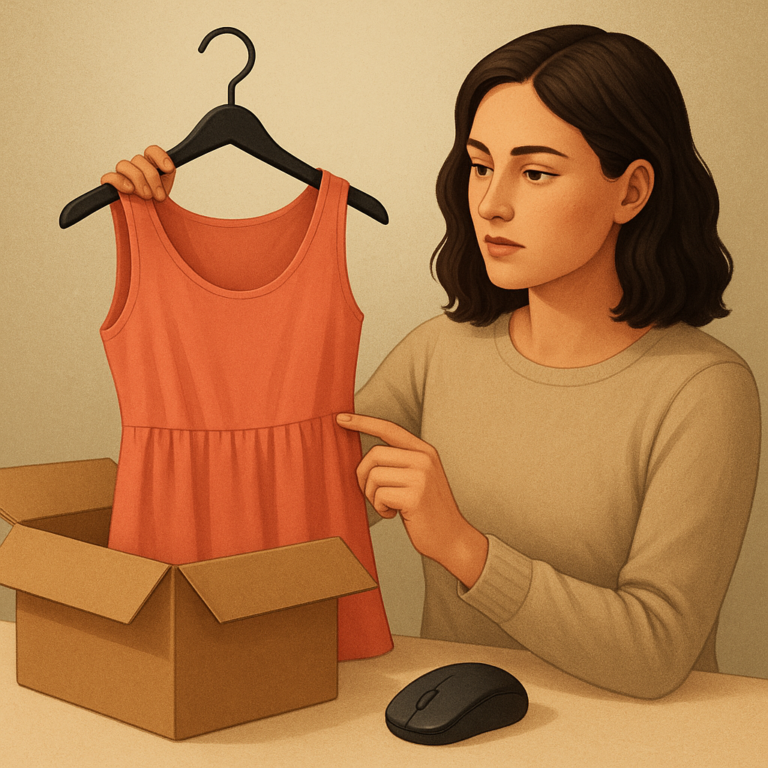
Product testing sounds simple on the surface: sign up, get chosen, try an item, and share feedback. In practice, it works more like a curated exchange between shoppers and brands. If you understand the process clearly, it can be a useful way to discover new fashion and lifestyle products without treating every opportunity like a guaranteed freebie. For U.S. shoppers who already pay attention to value, fit, and real-world usefulness, product testing can fit naturally into a smarter shopping routine.
The key is to know what brands are actually looking for, how selection usually happens, and what kind of feedback matters most. Once you understand that, you can approach each opportunity with a calmer, more strategic mindset. Instead of hoping for magic, you focus on relevance, reliability, and whether the item truly suits your lifestyle. That shift makes the experience more rewarding and a lot less confusing.
What product testing really means
Product testing is usually a brand-led program where selected shoppers receive an item to evaluate and then provide feedback. In fashion and lifestyle, that feedback often includes fit, comfort, quality, appearance, packaging, and whether the product matches its description. Some programs are highly structured, while others are more informal. Either way, the goal is the same: help the brand learn how a product performs outside a studio setting.
That means testing is not the same as winning a contest, and it is not always a direct path to keeping every item forever. Some opportunities involve free samples, while others ask for a review or response within a certain timeframe. The best way to think about it is as a value exchange. You are not just receiving a product; you are contributing feedback that can help shape future releases and improve shopping confidence for other customers.
How brands decide who gets selected
Selection often depends on fit, relevance, and consistency rather than luck alone. Brands may look at your profile details, shopping interests, prior feedback, or whether your style preferences match the item in question. A clear profile helps because it gives the brand a faster sense of whether you are a good fit for a particular test. If your preferences are vague or incomplete, you may be less likely to be matched with the right opportunities.
It also helps to understand that brands are often trying to reach specific shopper types. A product designed for everyday basics may need feedback from practical shoppers, while a trend piece may be sent to someone whose wardrobe leans more fashion-forward. If you apply for everything without reading the brief, you may reduce your chances. Relevance tends to beat volume when brands are choosing testers.
What you should expect if you are chosen
Once selected, you can usually expect a clear timeline, instructions on how to evaluate the item, and a request for feedback after a certain period. Some programs may ask for photos, ratings, or written comments. Others may want more detailed observations about wear, texture, sizing, or how the item performs over time. The more closely you follow the instructions, the more useful your feedback becomes.
It is important to stay realistic here. A testing opportunity is not always a luxury experience, and it should not be treated like a guarantee of perfect quality. Sometimes the point is to evaluate a product that is still being refined. If you understand that going in, you are less likely to feel disappointed when something does not arrive in ideal condition or needs closer inspection. Clear expectations make the whole process easier to manage.
How to give feedback that actually matters
Good feedback is specific, balanced, and easy to act on. Saying an item is “nice” does not tell a brand much. Saying the fabric feels thin, the sleeves run short, or the silhouette works better styled loosely gives the brand information it can actually use. In fashion especially, details about stretch, drape, lining, and sizing are valuable because they help the product translate from a model photo to a real wardrobe.
You do not need to write a long essay to be useful. You just need to observe the item like a thoughtful shopper. Mention where it worked, where it fell short, and who it might suit best. That style of feedback is also helpful to other shoppers who want honest guidance before buying. In that way, product testing becomes more than a personal perk; it becomes part of a smarter shopping ecosystem.
How to avoid wasting time on weak opportunities
Not every product testing invitation is worth your attention. If the terms are vague, the timeline is unclear, or the product category does not match your actual interests, it is usually better to skip it. Time is part of the cost, and a low-value opportunity can create more hassle than benefit. A smart shopper protects energy the same way they protect budget.
It also helps to avoid chasing quantity over quality. Applying to everything can make the process feel busy without making it more productive. A better approach is to focus on opportunities that align with your taste, routine, and willingness to provide useful feedback. When you do that, product testing starts to look less like a side quest and more like a practical extension of how you already shop. That is where it becomes genuinely worthwhile.
