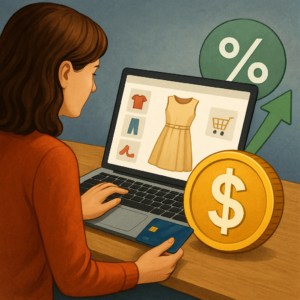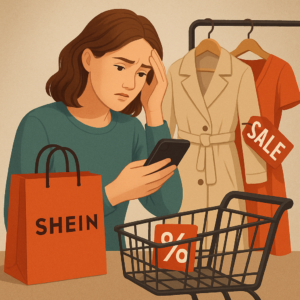
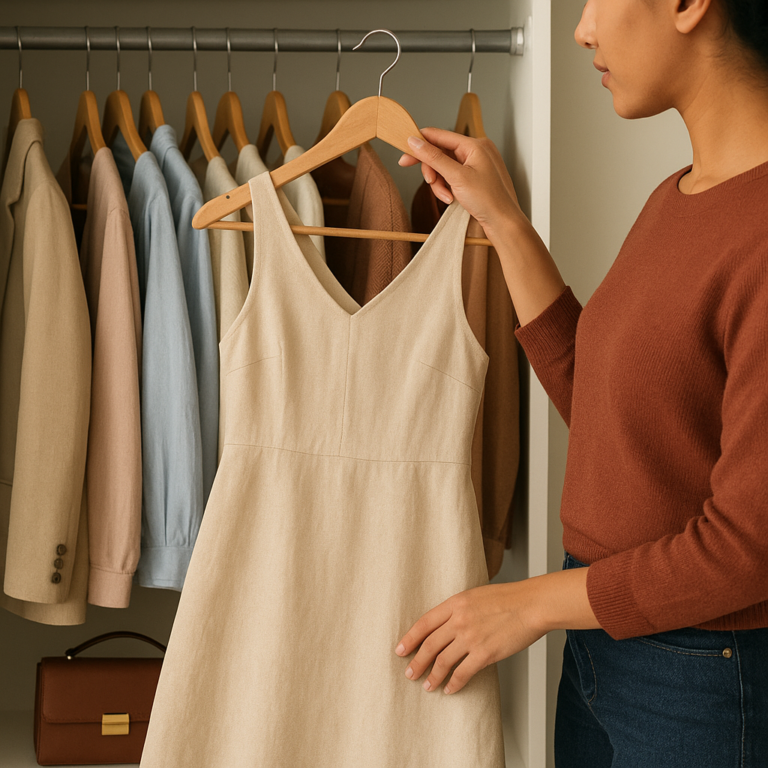
Shopping SHEIN can be exciting because the options are endless and the prices are easy to justify in the moment. But if you want real value, the goal is not to buy more. It is to buy better. A piece only becomes a deal when it fits your wardrobe, your routine, and your budget in a way that makes sense after the package arrives.
This is the approach smart shoppers use every day. They look past the flash of a discount and ask a more useful question: will I actually wear this? That shift changes everything. It helps you avoid impulse buys, build a more versatile closet, and make sure the money you spend on fashion goes toward pieces that keep earning their place.
Start with the wardrobe gap, not the discount
The easiest way to overspend is to let the sale badge make the decision for you. A better habit is to start with the gap in your closet. Are you looking for a work blouse, a weekend layer, a vacation dress, or a basic you can style several ways? When the item solves a specific need, it becomes much easier to judge whether it is worth buying.
This also helps you filter out pieces that only feel exciting because they are cheap. If you already have five similar tops, another one is not a great value just because it is marked down. The smartest fashion purchases are the ones that do something useful for your actual life.
Check fabric, fit cues, and styling flexibility
Before adding anything to cart, take a close look at the product details. Fabric composition tells you a lot about how a piece may hang, stretch, or wear over time. Fit cues matter too, especially on SHEIN, where sizing can vary from item to item. Even small clues like whether a top is cropped, relaxed, or structured can help you predict if it will work for your body and your wardrobe.
Styling flexibility is just as important. A dress that can only be worn one way has less value than a neutral piece that works with sneakers, boots, or a blazer. The more outfits you can build from one item, the more justified the purchase becomes.
Use reviews as a pattern, not a shortcut
Reviews are useful, but only if you read them with discipline. Star ratings alone do not tell the full story. What matters is the pattern: do buyers repeatedly mention the same strengths and weaknesses? If several people say the fabric feels thin or the fit runs small, that is information you can use. If reviewers keep showing the same item styled in different ways, that can help you judge versatility.
Look for comments from shoppers with similar sizing, body type, or styling needs. Those notes are often more valuable than generic praise. You are not trying to prove an item is perfect. You are trying to figure out whether it will work for you.
Think in cost-per-wear, not sticker price
The cheapest item is not always the best buy. A smarter way to evaluate value is cost per wear. If a $15 top gets worn ten times, it is a better deal than a $9 piece that sits untouched because it is hard to style or uncomfortable to wear. This mindset keeps you from focusing only on the number at checkout.
Ask yourself how often you can realistically wear the item in your normal routine. If it works for work, errands, and evenings out, the value is strong. If it is only useful for one specific event, it needs to be a truly special piece to justify the purchase.
Build a cart with intention, then edit it once more
A strong shopping habit is to treat your cart like a draft, not a decision. Add pieces, step away for a while, and come back with fresh eyes. That pause makes it easier to notice duplicates, trend-driven temptations, and items that do not match the rest of your closet. It is also a good moment to compare whether each item earns its spot against something you already own.
Before checkout, do one final edit: remove anything that does not solve a real wardrobe need, does not match at least three outfits, or does not feel good enough to wear repeatedly. That last pass is often where the best savings happen, because it protects your budget from quiet impulse buys.
Conclusion: choose value you can wear again
The best SHEIN purchases are not the most dramatic ones. They are the pieces that show up in your outfits again and again without creating regret. When you shop with a clear wardrobe goal, check quality details, and judge value by how often you will wear something, your cart becomes a tool instead of a trap.
That is what makes fashion shopping feel smarter. You are not giving up style. You are building a closet that looks better, works harder, and makes every dollar count.