
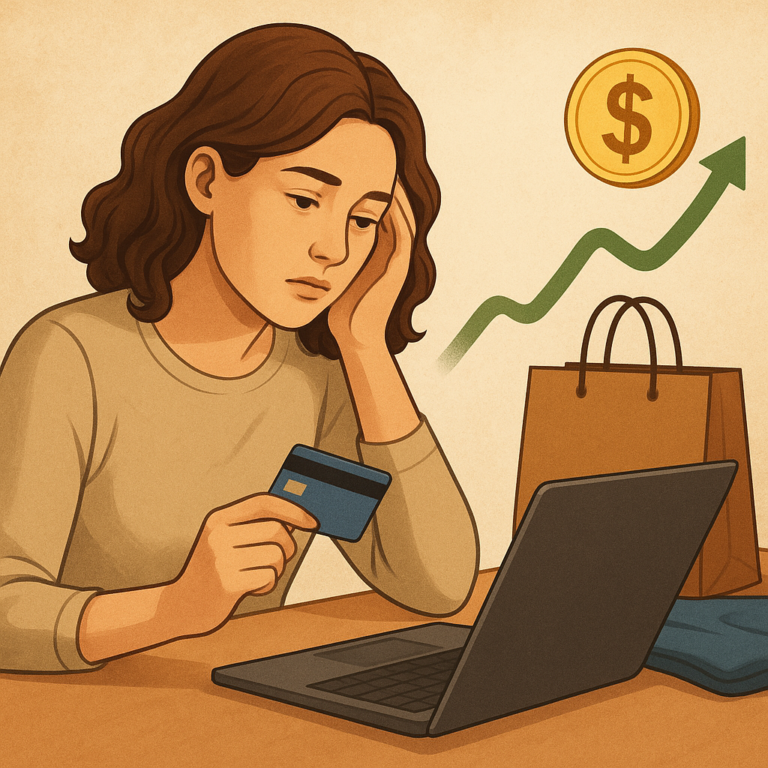
Cashback and rewards look like easy wins. Spend a little, get a little back, and feel smarter at checkout. But for fashion shoppers, the real question is not whether a perk exists. It is whether that perk actually helps you save money over time. A good rewards habit should make your purchases more intentional, not more impulsive. When points, store credit, and cash back start influencing what you buy, the perk can quickly become the reason you overspend.
The smartest shoppers treat rewards as a bonus layered on top of a purchase they already considered carefully. That changes the math. Instead of asking, “How can I earn more?” they ask, “Does this purchase still make sense if I ignore the reward?” Once you use that filter, cashback becomes a useful tool rather than a marketing trap. Here is how to make rewards work for you instead of the other way around.
Start with the purchase, not the perk
The easiest way to lose the value of cashback is to let it steer the decision. A 10% return sounds nice, but it does not make an unnecessary purchase smart. Before you think about points or rebates, ask whether the item fills a real wardrobe need. If you would not buy it without the reward, the reward is probably not strong enough to justify it.
This rule is especially helpful with trend-led fashion. A deal can make a piece feel urgent even when it has limited use. If the item works with outfits you already wear, fits your style, and will get repeat use, then the reward is truly added value. If not, the perk is just a distraction with a nicer name.
Understand the difference between real savings and delayed savings
Not every reward functions the same way. Some offers give you cash back in a straightforward way. Others give store credit, points, or future discounts that only matter if you shop again. That difference matters more than many shoppers realize. A future discount is not always savings if it pushes you into a second purchase you would not otherwise make.
Real savings reduce what you spend today or on something you were already going to buy later. Delayed savings can be useful, but only when they are part of a normal shopping pattern. If the only way to “use” a reward is to add another order to your calendar, the program may be nudging you toward more spending than you planned.
Watch the thresholds, expiration dates, and fine print
Rewards often look generous until the rules appear. Minimum redemption thresholds, short expiration windows, excluded products, and limited payout methods can all reduce the value of a perk. If it takes multiple purchases to reach a cash-out minimum, you may be doing more shopping than the reward is worth. The same goes for points that expire before you can use them.
A smart habit is to read the terms before you rely on the benefit. Look for how often rewards are paid, whether they can be used on sale items, and whether the program encourages you to spend more to unlock value. The best reward systems are easy to understand and easy to use without changing your behavior in unhelpful ways.
Use rewards to support a budget, not to break one
Rewards become genuinely helpful when they reinforce a budget you already trust. If you assign a monthly clothing budget, cashback can make that budget stretch a little further. If you track your shopping categories, rewards may help you offset shipping, accessories, or a planned seasonal refresh. In that setting, the perk works as a cushion, not an excuse.
The problem starts when shoppers count rewards before spending the money. That can create a false sense of affordability. A $60 order is still a $60 order, even if you expect $6 back later. The healthiest approach is to pay attention to the full amount first, then treat the reward as a nice follow-up rather than part of the original budget.
Build a simple rewards routine that does not feel like work
You do not need a complicated system to use cashback well. A simple routine is often enough: check whether the purchase is already on your list, confirm the reward terms, compare the net cost, and decide whether the item still deserves space in your cart. That four-step habit keeps the process practical.
For frequent shoppers, it also helps to choose one or two rewards methods you actually understand. Too many overlapping programs create confusion and make it harder to see what you are really saving. The goal is not to chase every available perk. It is to create a repeatable habit that makes your shopping cleaner, calmer, and more cost-conscious.
When cashback is worth it, and when it is not
Cashback is worth using when it comes from a purchase you already planned, the rules are simple, and the savings are easy to redeem. It is not worth centering your shopping around when the reward requires extra spending, comes with restrictions, or tempts you to buy more than you need. That is the dividing line smart shoppers learn to respect.
Used well, rewards can make fashion shopping feel more efficient and less wasteful. Used poorly, they can turn a budget into a guessing game. The difference comes down to discipline. If the perk stays in the background and your real needs stay in the foreground, cashback can absolutely support better spending. If the perk becomes the goal, the savings disappear fast.
Conclusion: let the reward follow the decision
The most useful rewards strategy is also the simplest one. Decide whether the item belongs in your cart first, then let cashback or points add a little extra value afterward. That keeps your shopping focused on quality, fit, and usefulness instead of chasing tiny returns that can lead to bigger mistakes. In the end, rewards are best used as a finishing touch, not the reason you buy.
When you make that shift, every purchase gets clearer. You spend with more intention, protect your budget, and stop letting small perks create large problems. That is the real value of cashback: not the thrill of getting something back, but the confidence of knowing you did not spend extra to get it.
